"When winter came, my parents started to resist taking baths."
"Since the changing room and bathroom get cold enough to be near freezing, I'm always worried that I might collapse while taking a bath."
"It's scary for family members to help their parents, whose legs and hips have grown weak, in a cold bathroom—I'm afraid they might slip and fall..."
The Tone-Numata region (Numata City, Minakami Town, Katashina Village, Kawaba Village, and Showa Village) is hit by severe cold and snow. During the winter months, we often hear about these “winter bathing concerns.”
According to Government Public Relations Online,There were 6,541 deaths among the elderly due to drowning in bathtubs in Reiwa 5, which is roughly three times the number of deaths from traffic accidents (2,116).. Every yearNovember through AprilThere have been many incidents occurring during this period.
In this article, we’ll explain the mechanisms behind the dangers associated with winter bathing, preventive measures you can take at home, and how to utilize bathing care services when you feel you’ve reached your limit with bathing at home.
1. Why Are Winter Baths in Tone-Numata Dangerous?
Heat shock is,A phenomenon in which sudden changes in temperature cause significant fluctuations in blood pressure, placing a strain on the blood vessels in the heart and brainThat's what it means.
① Moving from a warm room to a cold changing room or bathroom (sudden rise in blood pressure)
When you take off your clothes in the freezing-cold changing room after coming from a heated living room, your body constricts your blood vessels tightly to prevent heat loss. This causes a sudden spike in blood pressure, increasing the risk of a heart attack or stroke.
② Soaking in hot water (risk of a sudden drop in blood pressure and loss of consciousness)
When you soak in a hot bath to warm up your chilled body, your blood vessels dilate rapidly, causing your blood pressure to drop suddenly. As a result, not enough blood reaches your brain, and you may feel dizzy or lose consciousness while in the tub, putting you at risk of drowning.
③ Risk of falling and breaking a bone on a wet floor
When your muscles and joints are stiff from the cold, even a slight slip can prevent you from instinctively breaking your fall, potentially leading to serious injuries—such as a femur fracture—that could leave you bedridden.
2. Start Here! 4 Ways to Prevent Heat Shock at Home
When taking a bath at home, keep the following points in mind to minimize temperature differences and reduce the strain on your body.
- Warm up the "changing room and bathroom" before taking a bath: In addition to placing a small space heater in the changing room, turn on the hot water from the shower while filling the tub to warm the entire bathroom with steam.
- The water temperature should be “41 degrees or lower,” and the soaking time should be “up to 10 minutes”: Excessively hot water and long baths can cause significant fluctuations in blood pressure.. It's safest to take a quick dip in lukewarm water.
- Avoid taking the first bath of the day; take it before dinner (during the warm part of the day): Avoid bathing late at night when temperatures have dropped significantly, immediately after a meal (when blood pressure tends to drop), or after drinking alcohol. Instead, bathe at a time when family members are awake and can check on you.
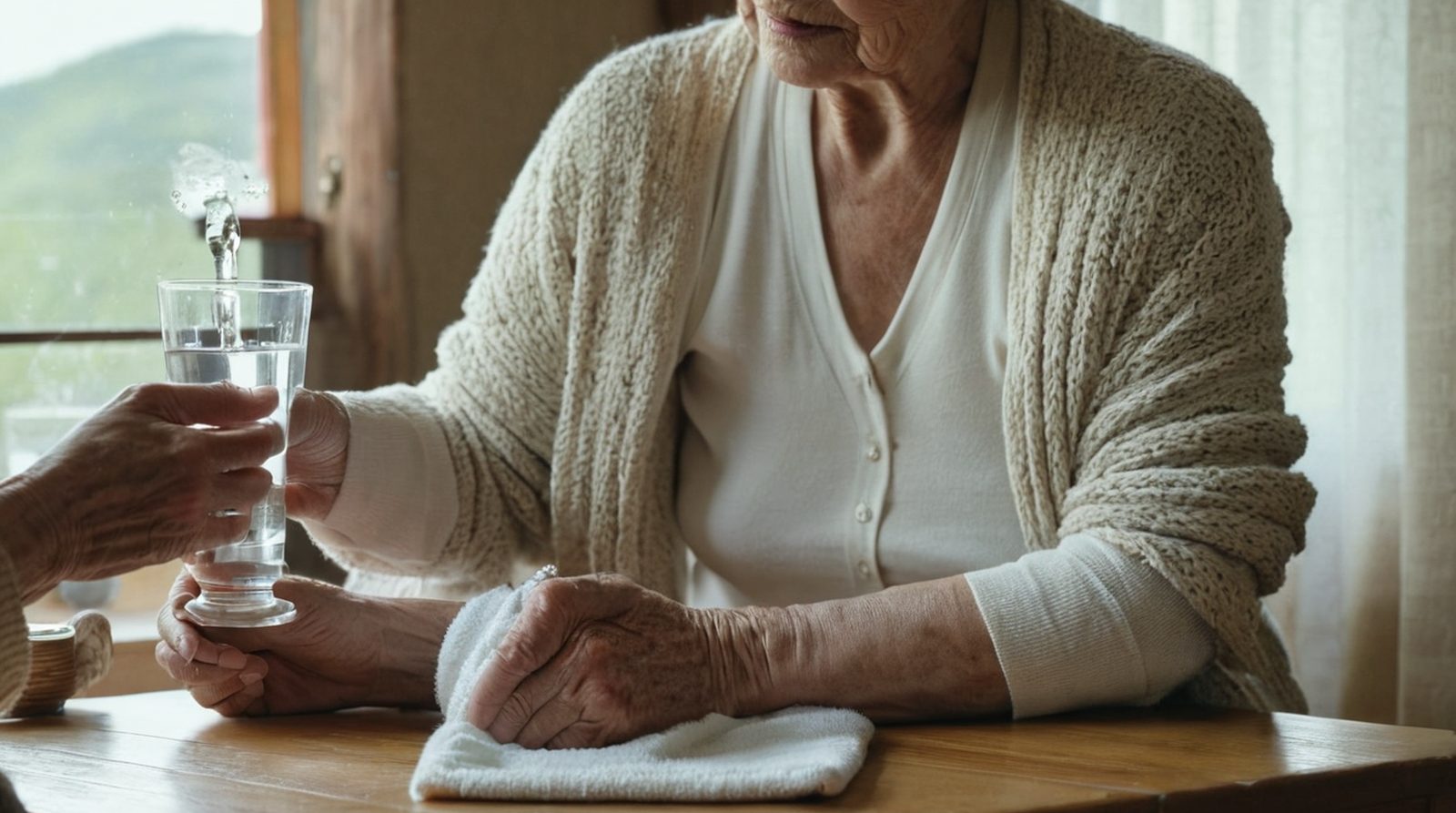
- "Drink a glass of water" before and after taking a bath: You actually sweat quite a bit while bathing, which can cause your blood to thicken, so it’s important to prevent dehydration.
3. If you feel like “I’ve reached my limit with home care alone…,” consider seeking professional bathing assistance.
No matter how much you try to adapt your home, if an old Japanese-style house is difficult to insulate, or if the person’s legs and back have weakened to the point where it becomes dangerous for family members alone to assist them in stepping over the edge of the bathtub, “taking a bath at home” itself can become a life-or-death situation.
In such cases, don't try to force yourself to take a bath at home; instead, use the long-term care insurance...Bathing services offered at "day care centers" and "short-stay facilities"Let's make good use of it.
3 Reasons to Feel at Ease When Taking a Bath at a Facility
- From the changing area to the bathroom: “A bathroom designed with temperature in mind and minimal steps”: The facility's baths are designed with water temperature in mind and feature handrails and non-slip surfaces. Depending on the facility, there may also be lift baths that allow you to bathe while seated, or special bathtubs that allow you to bathe while lying down.
- "Health Check (Blood Pressure, Body Temperature, etc.) Before Bathing": Before residents take a bath, staff members check their physical condition. Decisions such as, “Your blood pressure is a little high today, so let’s stick to a shower,” help prevent accidents.
- Reduces the burden and emotional stress of caring for family members: The daily pressure of thinking, “I have to give them a bath again today…” or “I have to keep checking to make sure they haven’t fallen…” is eased, allowing us to welcome parents with refreshed, cheerful smiles.
With the Daiseikai Group, “Staff Supervision × Medical Coordination” Ensures Safe Winter Bathing
"I have high blood pressure and a pre-existing heart condition, so I'm worried about whether they'll let me take a bath at the day care center..."
"What should I do if I start feeling sick before or after taking a bath?"
People with chronic medical conditions and the elderly, in particular, require careful supervision when bathing during the winter.
At each facility operated by the Daiseikai and Kunikai Group, in addition to daily health checks conducted by our staff, we collaborate with “Uchida Hospital,” which is part of the same group.
- For those with pre-existing conditions or concerns about their blood pressure: We provide safe bathing care after assessing daily changes in your physical condition and blood pressure trends. If we notice any changes in your condition, we will coordinate with Uchida Hospital to address the situation.
- Please feel free to inquire about short-term stays that include “just a bath and a meal”: Even for those who say, “I’m still not comfortable spending the whole day at a facility,” we’ll work with you to develop a plan tailored to your own pace—such as using day services aimed at ensuring safe bathing during the winter months.
If you find yourself thinking, “I’m afraid of taking a bath in the winter” or “I want to help my parents stay clean, but it’s too dangerous for them to do so at home,” please don’t hesitate to contact us before an accident occurs.
\ Please feel free to contact us if you have any problems /.
Medical Corporation Daiseikai, Uchida Hospital, Community Healthcare Coordination Office
(TEL) 0278-24-5329
Uchida Home Care Support Office
(TEL) 0278-23-7535