Knowledge of care- category -
-

Tips for "talking to" and interacting with the patient from a professional caregiver
Many people are concerned about how they should talk to their family members when they start caring for them, and they tend to speak harshly to them. One word of advice can make the person feel positive, or on the contrary, it can lead to anxiety and rejection. In this article, we will discuss the daily... -
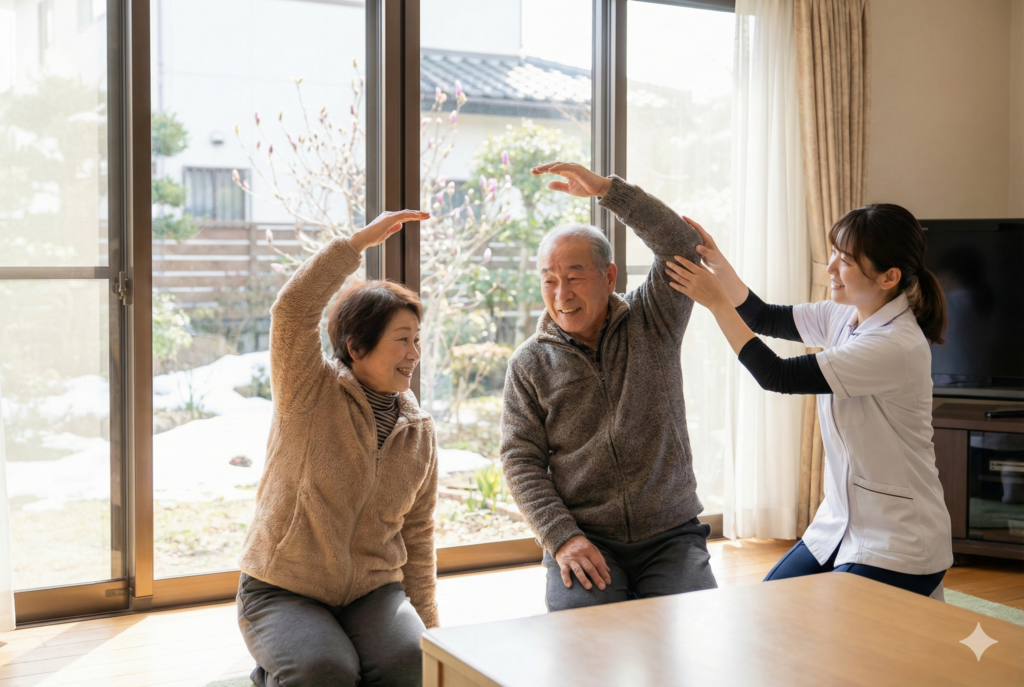
How to start rehabilitation for older adults who have lost strength in the winter
During the cold winter months, do you feel that you "don't move as much," "walk more slowly," or "get tired more easily"? Winter is a season when the elderly tend to lose their physical strength and muscle power because they have fewer opportunities to go outside and tend to move less. However, before spring arrives, a little... -
Winter is the time to be careful! Signs of Dehydration in the Elderly and How to Prevent It
When you hear the word "dehydration," you may have a strong image of summer. In fact, however, winter is also a season when the elderly are prone to dehydration. The combination of dryness caused by heating, decreased fluid intake due to cold weather, and changes in body sensation can cause dehydration to progress unnoticed. Severe... -
Does the cold weather stop you from moving? Tips to prevent winter inactivity
Many elderly people find it hard to go outside or spend more time sitting at home during the cold season. Winter is a season when it is easy to become inactive. A decrease in physical activity not only reduces muscle strength and stamina, but also increases the risk of falls and decreases energy... -
Where do I go for help?" The gateway to welfare that eliminates such doubts.
Nursing care, disability, childcare, medical care - when problems arise in daily life, the first thing many people feel is confusion: "I don't know where to turn for help. The systems are complex and full of jargon, and even if they think they have done their research, they cannot determine whether or not it applies to their case. As a result... -
Key points for creating a home that reduces "problems" with dementia
Many families wish for their family members to remain in their familiar homes for as long as possible after being diagnosed with dementia. Many families wish for their family members to stay in their familiar homes for as long as possible after a diagnosis of dementia, but in reality, they will face more and more difficulties in their daily lives. They may not know where things are, they may not be able to sleep at night, they may wander around, they may have trouble bathing, toileting, or ... -
How much does care cost in Numata? Information to help ease the burden
When long-term care becomes necessary, the first issue many families face is the cost. Many people are unsure of how much it will cost each month, and whether it is within a range that they and their family can afford. In this issue, we will discuss the approximate cost of nursing care in Numata City and... -
The reasons and points to reapply are explained.
We often hear comments such as, "I need nursing care, but the nursing care certification was 'not applicable'..." or "I thought I would receive a higher grade..." from family members and individuals who are providing nursing care for their loved ones. Although the long-term care insurance system is indispensable for the use of long-term care insurance services, the decision sometimes... -
How to deal with an elderly person with dementia who refuses to see a doctor? What Family Members Need to Know and Where to Get Help
Dad, let's go to the hospital." "No, I'm fine, I'm fine. It is not uncommon for family members who support an elderly person with dementia to strongly refuse to see a doctor even after recommending that he or she do so. Even if they know in their heads that it would be safer for the patient to see a doctor, the continued refusal can be exhausting for the family... -
What happens when the level of care increases? Advantages and disadvantages explained in simple terms.
Under the long-term care insurance system, people are classified as "Support Needed 1 or 2" and "Care Needed 1 to 5" according to their need for long-term care. If a person is initially certified as "Support Needed 1," he/she is still at a stage where he/she is highly independent and needs a little support in daily life. However, the level of care may increase due to illness or physical weakness...